
Home Care vs Care Home: 5 Questions to Help Families Decide
Few decisions feel as heavy as choosing where a parent or partner should live when they need more help. You may worry about safety, loneliness and guilt all at once. Many families start by comparing home care vs care home, then find the choice is not as simple as it sounds. This guide gives you five questions that help you weigh up home care vs care home in a calm, practical way. It covers what each option involves, what the person themselves wants, and how to check that your decision still fits as needs change.
Home Care vs Care Home: What Is the Difference?
With home care, a paid carer visits the person in their own home to help with daily life. With a care home, the person moves to a residential setting where staff provide support around the clock. The two are very different experiences, even though both aim to keep someone safe and well.
The NHS guide to help at home from a paid carer explains that homecare can be very flexible. Some people need a carer for only an hour a week. Others need several hours a day, or support at night. Live-in care is another option, and some live-in providers can offer specialist support, including dementia care.
Home care can cover a wide range of everyday help. The NHS lists tasks such as getting up and dressed, using the toilet, preparing meals and drinks, remembering to take medicines, shopping and getting out and about. Seeing how broad that range is makes the home care vs care home question easier to think about.
That flexibility is the main strength of home care in any home care vs care home decision. Support can start small and grow as needs change, without the person having to leave familiar surroundings.
Home Care vs Care Home: How Much Support Does Your Loved One Need?
Start with a clear picture of daily life. Which tasks are becoming difficult? Is it washing and dressing, preparing meals, remembering medication or getting out of the house? Are there moments of the day, such as mornings or evenings, that are harder than others?
The NHS suggests care at home may suit someone who is finding it hard to cope with daily routines, such as washing, dressing and getting out and about. It also fits people who do not want to move into a care home, and who can still get around their home safely.
Imagine a couple in Longridge where the husband has begun to forget his tablets and needs help in the shower. His wife has been covering everything herself and is exhausted. Regular visits from a familiar carer could ease the pressure without anyone leaving home. In a home care vs care home discussion, a story like this often points towards home care first.
The picture changes when someone needs round-the-clock nursing, or cannot be left safely for long periods. Be honest about this. A care home is sometimes the right answer, and good providers will say so.
Home Care vs Care Home: What Matters Most to the Person Themselves?
It is easy for families to make this decision on someone’s behalf. Try to include the person wherever you can. Ask what they enjoy about their home, which routines matter most, and what worries them about the future.
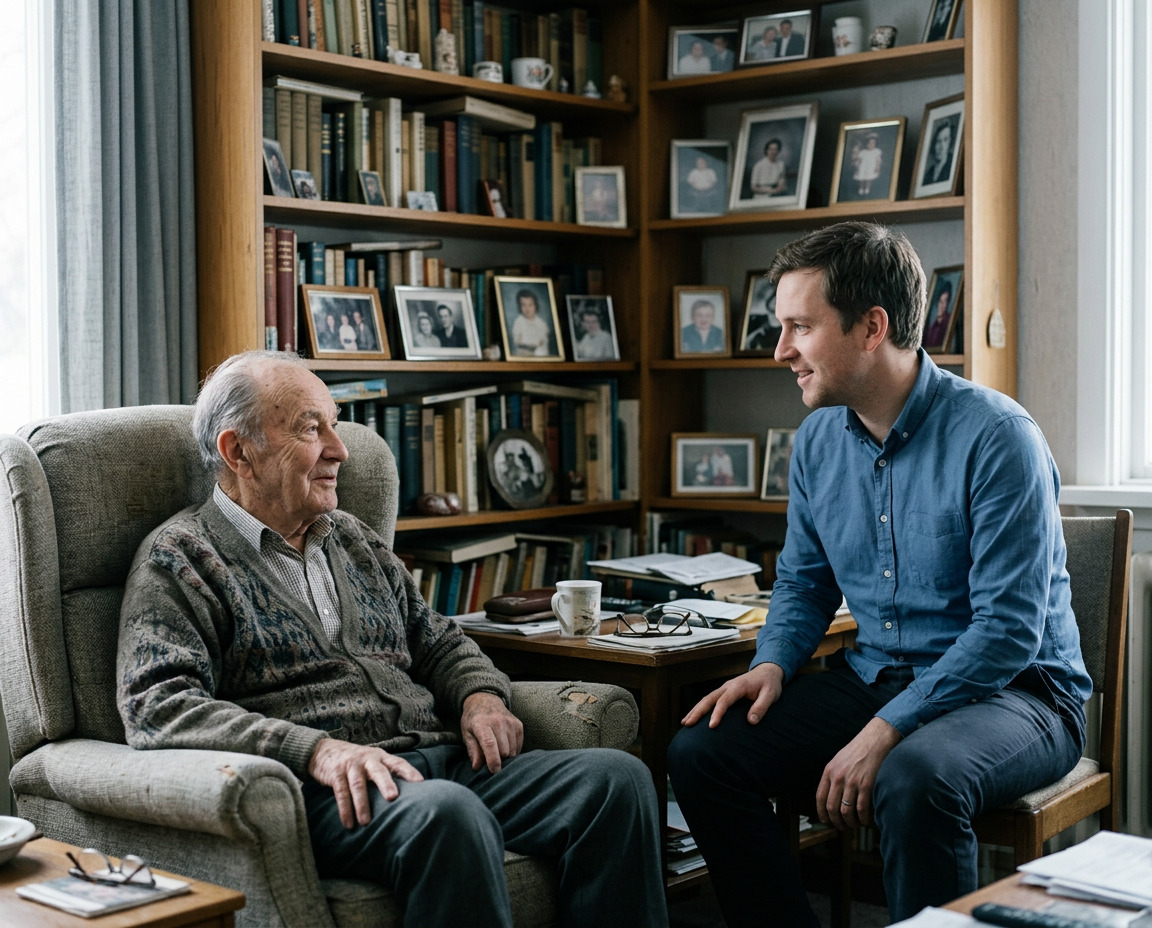
For many older people, home is more than a building. It holds memories, neighbours, a favourite chair and a garden they know by heart. Staying in familiar surroundings can help someone feel settled, and for people living with dementia, familiarity can be especially reassuring.
For someone living with dementia, familiarity can calm a confusing day. Known rooms, known routines and familiar carers help the person feel safe. A move to a new setting can be unsettling, so think carefully about how the person is likely to respond.
Others value company above all. If someone is lonely at home, a care home with daily social contact may appeal. Companionship care can also bring regular, friendly visits to the front door. Listening carefully to these preferences is the heart of any home care vs care home decision.
If the person finds it hard to express their wishes, think about what they have always valued. Their choices throughout life are a useful guide to what will make them comfortable now.
Home Care vs Care Home: Can the Home Stay Safe and Comfortable?
Safety is a real concern, and it deserves a practical answer. The NHS notes that home adaptations, equipment and household gadgets can make life easier and safer. Simple changes, such as grab rails, better lighting and a well-placed chair, often make a big difference.
Ask yourself a few direct questions:
- Can the person move around the house safely, including stairs and the bathroom?
- Would simple adaptations or equipment make daily life easier?
- Is there someone nearby who can help if something goes wrong?
- Does the person feel secure when they are alone between visits?
If the answers are mostly positive, the home may be a good base for care. If not, that does not automatically mean a care home. It may mean more frequent visits, a different kind of support, or a review of the home itself. Weighing these details carefully is what makes a home care vs care home choice feel confident rather than rushed.
Support can also grow in other ways. Options such as short-term respite care or live-in care can extend the time someone is able to stay safely in their own home. They are worth discussing before you settle on home care vs care home.
Home Care vs Care Home: How Can You Test the Decision?
You do not have to treat this as a permanent, all-or-nothing choice. Many families begin with a small amount of home care and watch how things go. A few weeks of regular visits show whether the person is comfortable, eating well and keeping up their routines.
Keep talking as you go. Ask the person how they feel, and ask the carers what they notice. The person’s GP or healthcare team can also give a view on how their health is changing. Care needs often shift over time, so review the arrangement regularly instead of waiting for a crisis.
It also helps to speak to a provider early. A good one will listen to your situation and tell you honestly whether home care can meet it. Many families find that a conversation, with no pressure to decide, makes the home care vs care home question much easier to answer.
At Unique Homecare, we plan care around the person’s own routines and preferences. We are CQC registered, and families can stay in touch with our team through WhatsApp. You can read more about our home care in Lancashire service to see how we work.
Home Care vs Care Home: What About Family Carers?
Families often make this decision while exhausted. If you are the main carer, your own health and wellbeing matter too. Be honest about how much you can keep doing.
Home care can take some of the pressure away. Regular visits mean you share the work, and you can step back to be a daughter, son or partner again. Many families find the relationship feels easier when someone else helps with personal care.
It is also fine to feel torn. Guilt is common in a home care vs care home decision, but choosing support is not giving up. It is a way of making sure the person gets the care they deserve while you stay well.
Ready to Find Out More
There is no single right answer to home care vs care home. The best choice is the one that keeps the person safe, respects their wishes and gives the family some peace of mind. It may change over time, and that is perfectly normal.
If you are weighing up home care vs care home for someone in Garstang, Longridge or nearby areas, we are glad to talk through the options with you. For a no-obligation conversation about care in your area, contact our team directly.


