
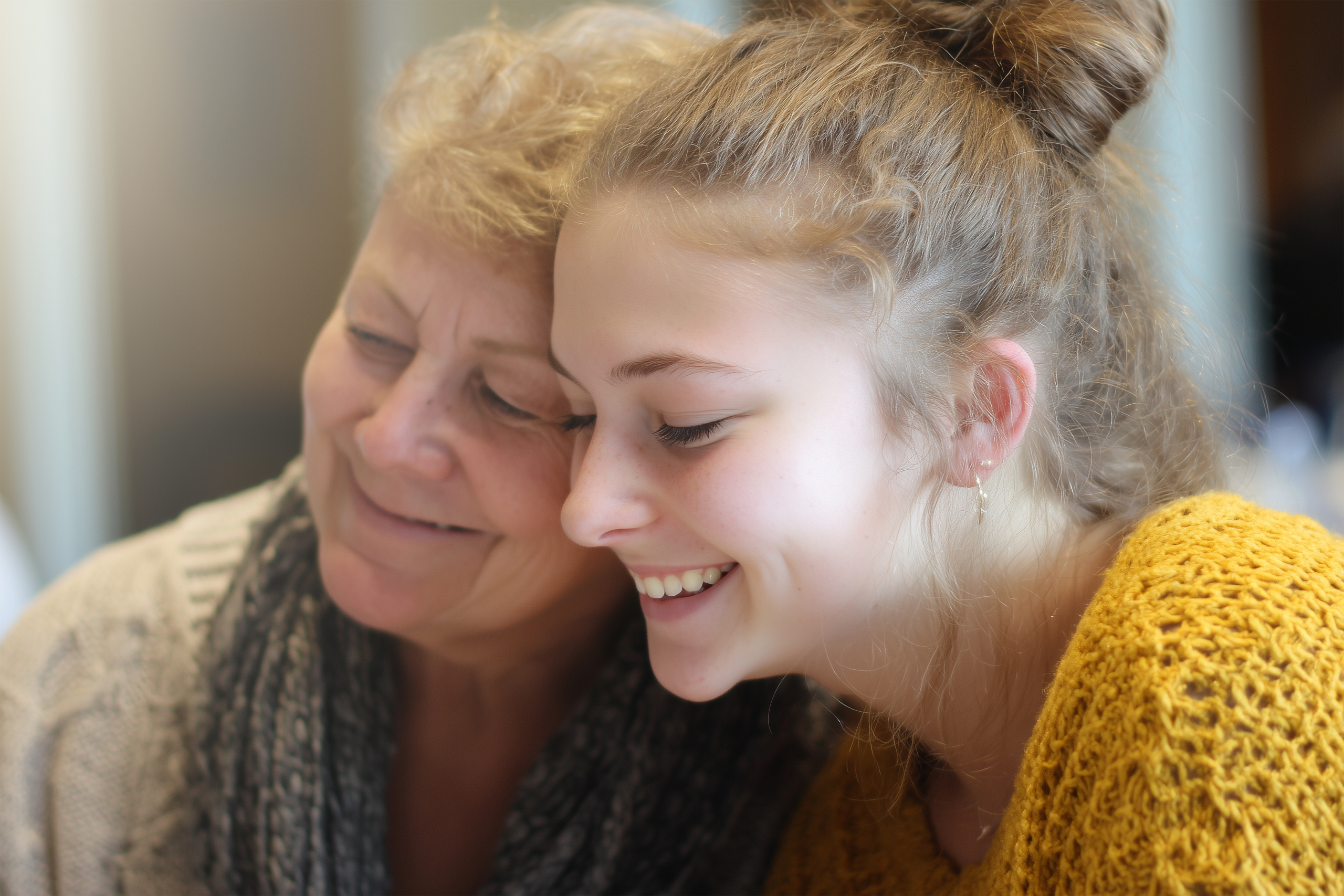
Dementia Training for Family Carers: 7 Skills That Make a Real Difference
Caring for a parent, partner or grandparent with dementia rarely comes with a manual. One day you are simply a son, daughter or spouse, and the next you are managing medication, soothing confusion and responding to behaviour you have never seen before. Dementia training for family carers exists to close that gap, giving families the practical skills, confidence and understanding needed to support a loved one through every stage of the dementia journey.
In this guide we look at why dementia training for family carers matters, what it covers, and how families across Forton, Cockerham, Scotforth and Galgate can access support close to home.
Why Dementia Training for Family Carers Matters
Dementia changes over time, and so does the support a person needs. Without some understanding of the condition, it is easy to feel like you are constantly reacting rather than coping calmly with what is happening. Repeated questions, confusion about time, or resistance to personal care can feel overwhelming if you do not understand why they are happening.
Learning about the condition does not just help the person living with dementia. It protects the wellbeing of the carer too. Family carers who have had this kind of training tend to feel less stressed, communicate more confidently, and find it easier to ask for help when they need it.
What Dementia Training for Family Carers Actually Covers
Good dementia training for family carers is practical rather than academic. It focuses on the day to day reality of caring for someone at home, not just medical definitions.
Typical topics include:
- How dementia affects memory, mood and behaviour
- Communication techniques that reduce frustration on both sides
- Understanding behaviours that challenge, such as agitation or repetitive questions
- Supporting personal care, eating and drinking with dignity
- Creating safe, familiar routines at home
- Looking after your own emotional and physical health as a carer
This kind of training builds confidence gradually. Families do not need to become experts overnight. Even understanding one or two new techniques can make a noticeable difference to daily life.
7 Practical Skills Every Family Carer Should Learn
Most dementia training for family carers focuses on a core set of skills that apply whatever stage of dementia someone is living with. These include:
- Communicating without correcting. Focus on the feeling behind what someone is saying rather than the factual accuracy of it.
- Reading body language. As verbal communication becomes harder, tone of voice, posture and facial expression carry more meaning.
- Building predictable routines. Familiar patterns for meals, washing and rest reduce anxiety and confusion.
- Responding to behaviours that challenge. Calm, patient responses work far better than reasoning or arguing.
- Supporting personal care with dignity. Simple changes, such as explaining each step before doing it, help someone feel respected.
- Spotting signs of pain or discomfort. Dementia can make it hard for someone to explain that they are unwell, so carers learn to notice changes in behaviour instead.
- Looking after yourself. Recognising early signs of carer burnout and knowing when to ask for respite or extra support.
These seven skills sit at the heart of good carer training, and they make a real difference whether someone is in the early stages of dementia or needs more intensive support.
A Day in the Life: How Dementia Training for Family Carers Helps in Practice
Imagine a carer noticing their mother becoming agitated every afternoon, repeatedly asking to go home even though she is already there. Without dementia training for family carers, this can feel confusing and exhausting, especially when reassurance does not seem to help.
With the right approach, the same situation looks different. A carer might recognise this as a pattern sometimes called sundowning, where confusion and anxiety increase later in the day. Instead of repeating that she is already home, they might try a gentle walk, a familiar piece of music, or a cup of tea and a favourite blanket. The behaviour has not changed, but the response has, and that often makes all the difference for both the person with dementia and the carer supporting them.
Dementia Training for Family Carers in Forton, Cockerham, Scotforth and Galgate
Families across Forton, Cockerham, Scotforth and Galgate are often supporting a loved one with dementia while juggling jobs, children and their own households. Local dementia training for family carers means support that understands the rural and semi-rural nature of these communities, where help is not always close by.
At Unique Homecare, our carers receive ongoing dementia training, and we also offer tailored sessions for family members who want to build their own confidence and skills. Whether your relative lives in Forton, Cockerham, Scotforth, Galgate or a nearby village, the aim is the same, practical, person-centred support that fits around your family rather than the other way round.
For many families in these areas, dementia training for family carers also opens the door to wider conversations about respite care, companionship visits, or our Fell Pony dementia wellbeing sessions, which offer a gentle, sensory experience for people living with dementia.
Common Mistakes Without Dementia Training for Family Carers
Even the most loving families can fall into patterns that unintentionally make things harder. Without this kind of knowledge, common mistakes include:
- Correcting or arguing over facts, which can increase distress for the person with dementia
- Rushing personal care tasks, which can feel frightening or undignified
- Changing routines too often, which adds to confusion
- Trying to manage everything alone, without asking for support or respite
None of these mistakes come from a lack of love. They usually come from a lack of information, and that is exactly the gap that dementia training for family carers is designed to fill.
Where to Find Dementia Training for Family Carers Near You
Several organisations offer dementia training for family carers, either online or through local sessions. The Alzheimer’s Society guidance on getting help and support as a carer is a useful starting point, covering everything from carer’s assessments to local support groups.
At Unique Homecare, we work with families across Lancashire, including Forton, Cockerham, Scotforth and Galgate, to provide practical dementia training for family carers alongside our specialist dementia care services. You can read more about how we support family carers with training, respite and emotional support, including tailored sessions designed around your family’s needs.
Families who would like ongoing reassurance can also stay in touch with our team through WhatsApp, making it easier to ask questions between visits or training sessions.
Check the right care with us
Dementia training for family carers is not about turning families into professionals. It is about giving you the understanding, patience and confidence to support someone you love through a difficult and often unpredictable journey, while also looking after your own wellbeing along the way.
If you are caring for a loved one in Forton, Cockerham, Scotforth, Galgate or anywhere across Lancashire, and would like advice about dementia training for family carers or wider home care support, our team at Unique Homecare is here to help. To find out how we can support you or a loved one, get in touch with our friendly team.
Frequently Asked Questions About Dementia Training for Family Carers
Do I need any qualifications to care for a family member with dementia?
No. This kind of training is designed for ordinary families, not healthcare professionals. It focuses on practical understanding and everyday techniques rather than formal qualifications.
How long does it take to see a difference?
Many families notice small changes quickly. Even a short session covering communication or managing behaviours that challenge can ease tension within days, especially when combined with a consistent routine.
Can dementia training help if my relative has only recently been diagnosed?
Yes. In fact, learning these skills early can help families plan ahead, understand what to expect, and put helpful routines in place before challenges become harder to manage.
What if I am struggling emotionally as well?
This is common and nothing to feel guilty about. Alongside practical skills, good dementia training for family carers also covers carer wellbeing, including when and how to ask for respite or extra support.


