
Dementia and Falls Prevention: A Practical Family Guide
Falls are one of the most common, and most preventable, risks facing someone living with dementia. Confusion, changes in balance, and an unfamiliar response to a changing home environment can all increase the chances of a fall. Understanding dementia and falls prevention together can help families create a safer home and reduce the worry that often comes with watching a loved one move around independently, while still protecting their sense of freedom and dignity.
Why Dementia and Falls Prevention Go Hand in Hand
People living with dementia are at significantly higher risk of falling than other older adults. Memory loss can mean forgetting to use a walking aid, while changes in perception can make stairs, shadows, or reflective floors genuinely confusing to navigate. Dementia and falls prevention are closely linked because many fall risks stem directly from how the condition affects the brain, not simply from age or frailty alone.
A carer who understands this connection looks at the whole picture, not just physical risk factors like loose rugs or poor lighting, but also how confusion, mood, and memory contribute to a fall happening in the first place. This wider view is what separates genuine dementia and falls prevention from a simple home safety checklist.
Common Fall Risks for People With Dementia
Every home and every person is different, but certain risk factors come up again and again. These include:
- Difficulty judging distances or depth, especially on stairs
- Forgetting to use a walking frame or stick consistently
- Low blood pressure or dizziness from medication side effects
- Poor lighting, clutter, or trailing wires underfoot
- Disorientation at night, particularly when getting up to use the bathroom
Recognising these risks early is a core part of dementia and falls prevention, since many can be addressed with simple, practical changes around the home rather than waiting until a fall has already happened.
Why Training in Dementia and Falls Prevention Makes a Difference
Falls prevention is not just common sense, it is a genuine skill that good training builds properly. A carer trained specifically in dementia and falls prevention learns to assess a home for hazards, understand the medical and behavioural factors that increase risk, and respond calmly and correctly if a fall does happen.
Without this training, a carer might miss subtle warning signs, such as a slight change in gait or new unsteadiness when standing, that often appear before a fall takes place. Trained carers are taught to notice these small changes and act before they become a serious incident.
Making the Home Safer
Simple changes to the home environment can make a meaningful difference to dementia and falls prevention. Practical steps include:
- Removing loose rugs, trailing cables, and unnecessary clutter
- Improving lighting, especially on stairs and in hallways
- Using contrasting colours to make chairs, steps, and door frames easier to see
- Installing grab rails in bathrooms and near steps
- Keeping frequently used items within easy reach, avoiding the need to stretch or climb
According to the NHS, making changes around the home can help prevent falls and protect confidence and independence. For someone with dementia, these changes work best when they are introduced gradually and explained simply, rather than rearranged all at once, which can itself cause confusion and undermine good dementia and falls prevention practice.
Building Strength and Confidence
Alongside home safety, gentle exercise plays an important role in dementia and falls prevention. Activities that support balance, strength, and coordination can reduce fall risk significantly over time. This does not need to mean a formal exercise programme. Helpful approaches include:
- Short, regular walks, indoors or in the garden where safe
- Simple seated exercises to maintain strength
- Encouraging movement little and often, rather than long periods of inactivity
- Supporting safe transfers between sitting and standing
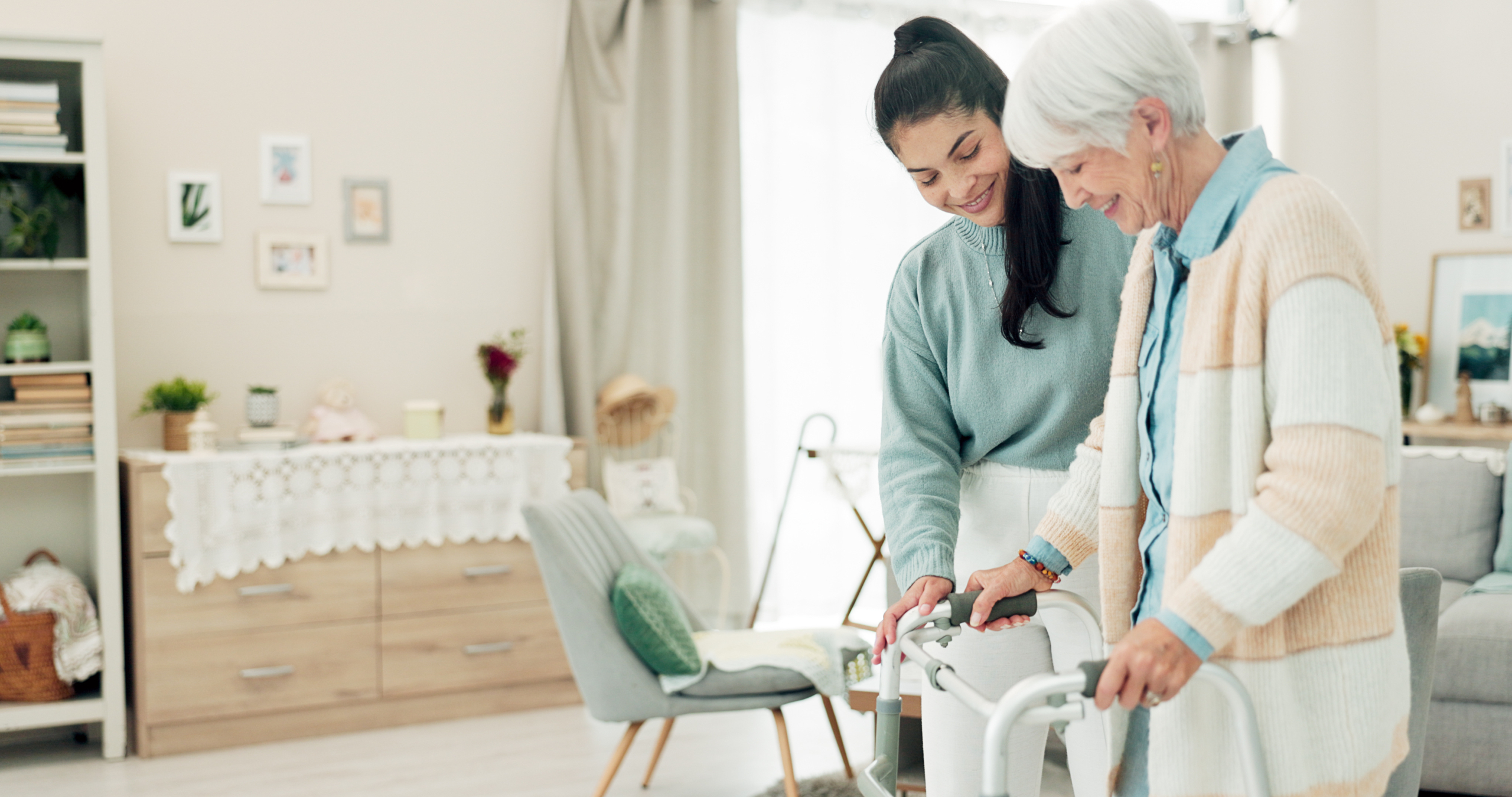
Carers trained in fall prevention understand how to encourage movement safely, supporting confidence rather than restricting activity out of fear of a fall. This balance matters more than it might seem, since avoiding all movement to prevent falls often leads to weaker muscles and a higher risk of falling in the long run.
Responding Calmly If a Fall Happens
Even with the best preparation, falls can still happen, and how a carer responds in that moment matters enormously. A trained carer knows to stay calm, check for pain or injury before encouraging movement, and avoid rushing someone who is frightened or disorientated after a fall.
This is one of the clearest examples of why dementia and falls prevention training matters so much in practice. The right response in those first few minutes can prevent a minor stumble from becoming a more serious injury, and can also help reassure a person who may not fully understand what has just happened. Carers are also trained to note what led up to the fall, helping identify patterns that support better dementia and falls prevention going forward.
A Familiar Scenario
Consider a gentleman who has started gripping furniture as he moves around his living room, something his family had not noticed until a carer pointed it out. A carer trained in falls prevention recognised this as an early warning sign, suggested rearranging the furniture to create a clearer, more supported path, and recommended a GP review of his medication. A fall was avoided entirely, simply because someone knew what to look for.
Talking About Safety Without Causing Distress
One of the trickier parts of dementia and falls prevention is raising safety concerns without making someone feel watched, restricted, or treated as incapable. Constant reminders to be careful can feel patronising, and may even increase anxiety rather than reduce risk.
A skilled carer finds gentler ways to support safety, such as suggesting a walk together rather than insisting on supervision, or quietly adjusting the environment rather than issuing repeated warnings. This balance, between genuine safety and preserving dignity, sits at the heart of good dementia and falls prevention practice.
Involving the person in decisions where possible also helps. Asking what would make them feel steadier, rather than simply imposing changes, often leads to better outcomes and less resistance to sensible precautions.
How Unique Homecare Approaches Dementia and Falls Prevention
Our carers complete dedicated Fall Prevention Training, covering risk assessment, safe use of mobility aids, exercise to support balance, and how to respond correctly if a fall occurs. This training sits alongside our specialist dementia training, so carers understand both the physical and cognitive sides of risk, not just one or the other.
For families across Garstang, Longridge, and the wider Lancashire area, this combination means dementia and falls prevention is built into everyday care, rather than treated as a separate concern only addressed after something has already gone wrong.
Questions Worth Asking Your Provider
When choosing care, it is reasonable to ask directly how a provider approaches falls prevention. Useful questions include:
- What specific fall prevention training have carers completed?
- How are home environments assessed for risk?
- How is a fall responded to, and how is it documented afterwards?
- Are family members involved in reviewing fall risks and changes made?
- How are mobility aids and exercise supported as part of daily care?
A confident provider will answer these questions clearly and will treat falls prevention as an ongoing priority, not a one-off conversation that is forgotten once a care package begins.
Taking the Next Step
Worrying about falls is one of the most common concerns families raise, and it is completely understandable. Thoughtful dementia and falls prevention, delivered by carers who genuinely understand both the condition and the practical steps that reduce risk, can bring real peace of mind to the whole family, without taking away the independence your loved one still values.
If you would like advice about dementia support or home care services, the Unique Homecare team is here to help.


