

Left Without Meals, Left Without Support: Why Reliable Homecare Matters More Than Ever
The recent report by BBC News detailing the sudden suspension of a vital food delivery service has exposed an uncomfortable truth that many communities prefer to ignore. For thousands of older and vulnerable people, these services are not a convenience. They are a lifeline. When that lifeline disappears, the consequences are immediate, frightening, and potentially dangerous.According to the BBC report, the abrupt halt left elderly residents without hot meals, with little warning and limited alternatives. In the middle of winter, this is not an inconvenience. It is a serious risk to health, safety, and dignity. Anyone pretending otherwise is kidding themselves.
This situation is not unique to one area. It is a symptom of a fragile care ecosystem that relies too heavily on overstretched providers, inconsistent funding, and reactive decision-making. When one link in the chain breaks, vulnerable people pay the price.
Food is never just food
The owner of Unique Homecare Services Ltd put it bluntly, and correctly. Meal support is about far more than a plate of food. It is about routine, wellbeing, dignity, and often the only meaningful human contact someone may have that day.
That statement should make anyone involved in health or social care uncomfortable, because it is true.
For many older adults, particularly those living alone, reliable meal preparation for the elderly provides structure that goes beyond nutrition. It gives them a reason to get up, to engage, and to feel seen. Remove that, and you do not just create hunger. You create isolation, anxiety, and decline.
Anyone still treating meal preparation services as a low priority add-on does not understand how ageing actually works in the real world.
Meal preparation for dementia patients: a hidden crisis
For those living with dementia, the sudden loss of meal support is not merely inconvenient. It is dangerous.
Dementia affects memory, routine, and the ability to make safe decisions around food. Many people living with dementia in Lancaster, Morecambe, Preston, and across Lancashire rely entirely on scheduled meal preparation visits to ensure they eat regularly, safely, and well.
When that support disappears without warning, the risks escalate quickly. Forgotten meals, unsafe cooking attempts, and rapid physical decline are not rare outcomes. They are predictable ones.
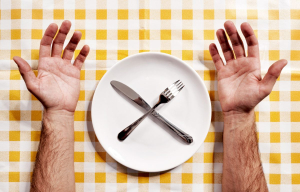
Meal preparation for dementia is not simply cooking. It is a structured, reassuring interaction that reinforces daily routine, monitors nutrition, and provides a vital opportunity to spot early signs of deterioration. A trained carer preparing a meal is also watching, listening, and assessing. That cannot be replaced by a volunteer dropping off a cold sandwich.
Providers like Unique Homecare understand this. Their dementia-specialist carers deliver meal support as part of a holistic care plan, not as a standalone task disconnected from the person’s wider needs.
The real risk of sudden service closures
What makes the BBC story especially troubling is not just the closure itself, but the speed and lack of contingency. Sudden service withdrawal leaves people frightened and unsure where to turn. Older adults are less likely to complain loudly, chase alternatives, or navigate complex systems under pressure. Many simply go without.
Cold weather amplifies every risk. Poor nutrition weakens immune systems. Lack of heating combined with reduced food intake increases the risk of hospital admission. Once someone enters that downward spiral, recovery becomes harder and more expensive for everyone involved.
This is exactly how preventable problems become crises.
Meal preparation after hospital: the gap nobody talks about
One of the most overlooked moments when meal support becomes critical is immediately after a hospital discharge.
Patients returning home to Lancaster, Morecambe, and Preston after surgery, illness, or a fall are often physically depleted, emotionally fragile, and entirely unprepared to cook for themselves. NHS discharge teams do their best, but post-hospital meal preparation is rarely arranged before a patient leaves the ward. Families are not always nearby. And community meal services, as the BBC story demonstrated, cannot always be relied upon.
The consequences are serious. Poor nutrition during post-hospital recovery slows healing, increases the risk of readmission, and can turn a manageable recovery into a prolonged decline. For older adults, this window is particularly critical.
Unique Homecare addresses this directly. Their care team can step in immediately following discharge, providing meal preparation alongside personal care, medication support, and companionship. Recovery supported by consistent, professional meal support at home is measurably better than recovery left to chance.
Why reliable homecare matters
This is where high-quality, locally grounded homecare providers prove their value. Unique Homecare Services Ltd, based in Lancashire, operates on a model that recognises reality rather than pretending vulnerability fits neatly into budget lines.
Good homecare is proactive, not reactive. It builds redundancy into care plans. It understands that meal preparation for the elderly, companionship, medication support, and emotional wellbeing are interconnected. Remove one element and the whole structure weakens.
At Unique Homecare, meal support sits alongside personal care, companionship, dementia care, and wellbeing checks. A carer does not just prepare a meal and leave. They notice if someone has not eaten properly. They spot changes in mood, confusion, or physical decline. They escalate concerns before they become emergencies.
That is the difference between care as a tick-box service and care that actually works.
Human contact is not optional
One of the most overlooked aspects of the BBC story is loneliness. When meal preparation services stop, the knock at the door stops too. For some people, that knock is the only interaction they have all day.
Loneliness is not a soft issue. It is strongly linked to depression, cognitive decline, and increased mortality. Any care system that ignores this is broken.
Homecare providers who prioritise companionship alongside practical meal support fill a gap that food delivery services alone cannot. A short conversation, a familiar face, and consistent routine create psychological stability that no emergency response can replicate later.
Community response helps, but it is not enough
The community response described in the BBC report is encouraging. Volunteers stepping in, neighbours checking on each other, and local organisations scrambling to fill gaps all matter. But let’s be honest. Community goodwill is not a substitute for structured, professional care.
Volunteers cannot be expected to manage medication, provide specialist meal preparation for dementia patients, recognise safeguarding concerns, or provide consistent daily meal support long-term. They burn out, funding dries up, and coverage becomes patchy.
Professional homecare services provide continuity, accountability, and trained oversight. Without them, communities are left permanently one crisis away from collapse.
Lessons that cannot be ignored
If this story does not prompt serious reflection, then the system has learned nothing.
First, essential meal support services for older people must be treated as critical infrastructure, not optional extras. Sudden closures should be unacceptable.
Second, care must be holistic. Meal preparation for the elderly, wellbeing, companionship, and safety are inseparable. Providers who silo these elements are setting people up to fail.
Third, families and neighbours must be encouraged to stay alert. As the Unique Homecare owner rightly urged, everyone should check in on older or vulnerable people, especially when services change or winter pressures increase.
Ignoring these lessons is not neutral. It is negligent.
Why Unique Homecare stands out
What makes Unique Homecare Services Ltd effective is not marketing fluff. It is their refusal to reduce care to transactions. Their approach is built around dignity, consistency, and human connection.
They understand that meal preparation for the elderly is a wellbeing check. That a conversation can prevent a crisis. That routine is protective, not boring. That meal preparation for dementia patients requires specialist knowledge, patience, and consistency that generic food delivery services simply cannot provide.
In a sector plagued by instability, providers who invest in trained staff, personalised meal support, and genuine relationships are not a luxury. They are essential.
A warning, not an anomaly
This BBC story should be seen as a warning, not an isolated incident. As populations age and funding pressures increase, fragile meal preparation services will continue to fail unless care models evolve.
The uncomfortable truth is this. If your care plan relies on a single meal support service with no backup, it is not a plan. It is a gamble.
Providers like Unique Homecare demonstrate what robust, human-centred meal preparation for the elderly looks like when it is done properly. Anything less leaves older and vulnerable people exposed.
And that should be unacceptable to all of us.
Get in touch with Unique Homecare
If this story has raised concerns about the safety, wellbeing, or isolation of an older or vulnerable loved one, do not wait for a crisis to force action. Reliable meal support and homecare should be in place before services fail, not after.
Unique Homecare Services Ltd provides personalised, dependable homecare across Lancashire, supporting people with meal preparation, companionship, personal care, dementia support, and overall wellbeing, all delivered by trained professionals who understand that care is about dignity and human connection, not just tasks.
To find out how Unique Homecare can support you or a family member with meal preparation in Lancaster, Morecambe, Preston, or anywhere across Lancashire, speak directly with their team for clear, honest guidance tailored to your situation.
Get in touch today to request more information or arrange a no-obligation discussion about your care and meal support needs.


