
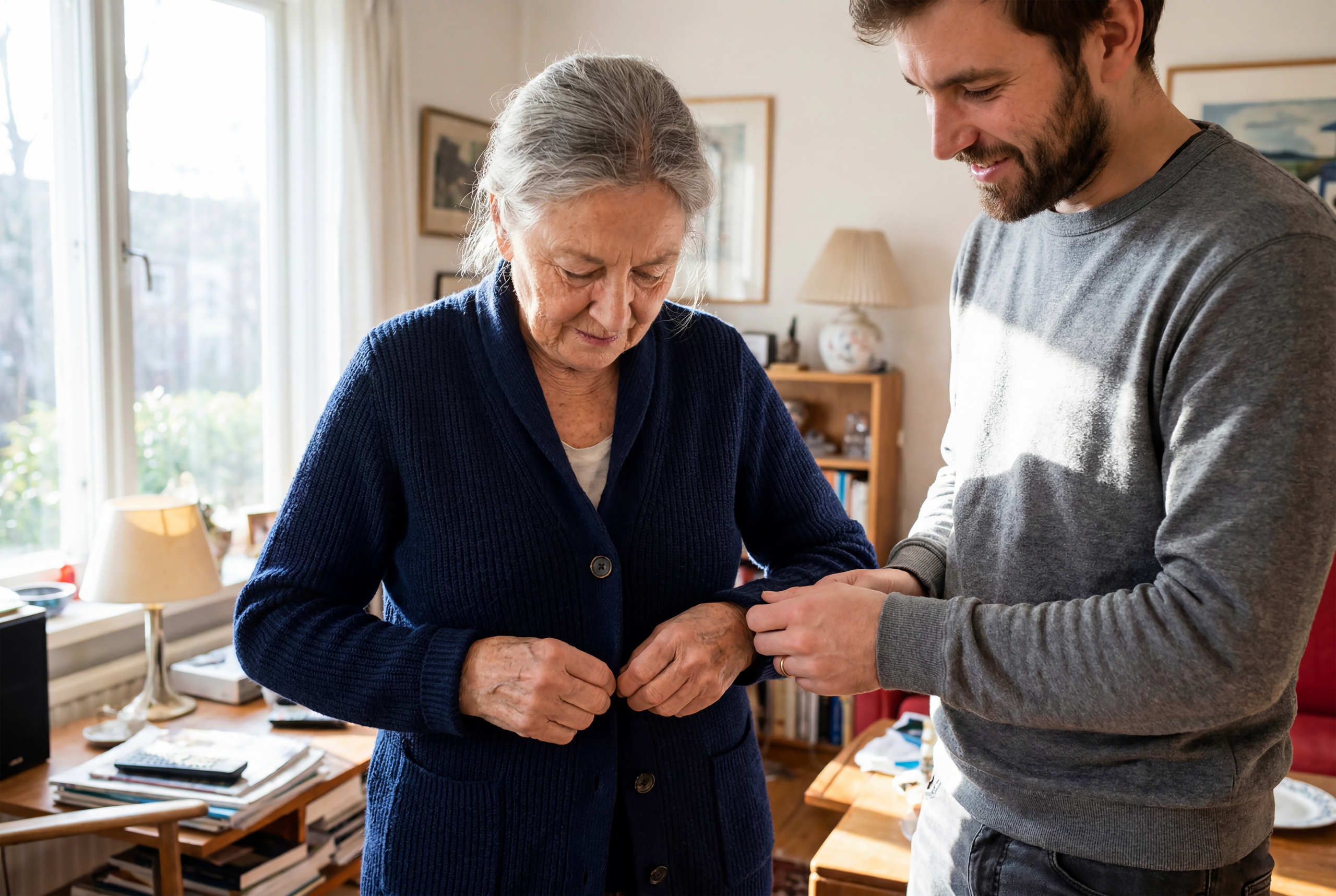
Dementia Support at Home Forton: A Practical Guide for Families
Caring for a loved one with dementia can feel overwhelming, especially in the early days when everything feels new and uncertain. One of the first questions many families ask is whether their loved one can safely remain at home, and the honest answer is often yes, with the right help in place.
For families in Forton, dementia support at home Forton offers a way to keep a loved one safe, settled, and surrounded by everything familiar to them, from their favourite chair to the sound of their own street. This guide looks at what good dementia support at home Forton actually involves, why specialist training matters so much, and the practical things families themselves can do to help day to day.
Why Dementia Support at Home Forton Matters
For most people living with dementia, home is far more than bricks and walls. It is a collection of memories, familiar smells, well worn routines and small daily rituals. A favourite chair by the window, the sound of the garden, the feel of a familiar mug in the morning. These things provide grounding and reassurance in a world that can otherwise feel confusing and unpredictable.
Research consistently shows that people with dementia who remain in their own home for as long as it is safe to do so often experience less anxiety, fewer episodes of distress, and a stronger sense of who they are. Dementia support at home Forton means building care around the person and their existing life, rather than asking them to adjust to somewhere entirely new.
At Unique Homecare, we see this difference regularly. Families across Forton, and nearby villages such as Cockerham and Galgate, often tell us their loved one became noticeably calmer and more settled once consistent, person-centred dementia support at home Forton began. Local community ties matter too. Staying close to neighbours, familiar shops, and the rhythms of village life can make a genuine difference to how someone living with dementia feels day to day.
What Dementia Support at Home Forton Looks Like
Good dementia support at home Forton goes well beyond practical tasks such as washing or preparing meals. It means understanding the whole person, their history, their preferences, and their personality, and building everyday care around those things rather than around a generic checklist.
This typically includes:
- Personal care, such as washing, dressing and grooming, delivered with patience and dignity
- Meal support, including preparing familiar, nutritious meals and encouraging good hydration throughout the day
- Companionship, through conversation, shared activities and genuine human connection
- Routine maintenance, keeping daily rhythms consistent, which matters greatly for people living with dementia
- Medication prompting, with gentle reminders to help medication be taken correctly and on time
- Family reassurance, with regular updates so families always feel informed and involved
The best dementia support at home Forton is consistent. Seeing the same familiar faces, and following a gentle, predictable rhythm each day, can significantly reduce confusion and distress for someone living with dementia, while also giving family members confidence that their loved one is genuinely known and understood.
How Families Can Help With Dementia Support at Home Forton
Professional care is only part of the picture. Families play a huge role in dementia support at home Forton, and small, thoughtful adjustments at home can make a real and lasting difference to how settled a loved one feels.
Keep Routines Predictable
Routine is one of the most powerful tools available when caring for someone with dementia. Meals at the same time each day, familiar activities, and regular sleep patterns all help to reduce confusion and anxiety. Even small changes can feel unsettling, so consistency matters wherever it is possible to maintain it.
Communicate with Patience
Dementia affects language, memory and the ability to process information. Speaking slowly, using simple sentences, and allowing plenty of time for a response can all help enormously. Try not to correct small mistakes or confused facts. Instead, focus on the feeling behind what is being said, and respond to that with warmth.
Create a Familiar, Safe Environment
Photographs, personal belongings and familiar objects all help people with dementia feel grounded and secure. Removing unnecessary clutter, improving lighting, and checking for hazards such as loose rugs or poor stair lighting can make daily life feel noticeably safer and calmer for everyone in the household.
Look After Yourself Too
Caring for someone with dementia can take a real toll on your own health and wellbeing, and burnout among family carers is common. Respite care, even for a few hours a week, is not a luxury. It is an important part of making this kind of support sustainable for the whole family.
The Alzheimer’s Society guidance on keeping safe and independent at home is a useful resource that many families find helpful alongside professional support, and it is worth bookmarking for the months ahead.
Dementia Support at Home Forton: What Unique Homecare Offers
Unique Homecare is a CQC registered home care provider supporting families across Garstang and the surrounding villages, including Forton, Cockerham and Galgate. We were proud national finalists for Outstanding Contribution to Dementia Care at the Dementia Care Awards, reflecting our genuine focus on dementia expertise. Our approach to dementia support at home Forton is built around consistency of carer, genuinely person-centred care, and a holistic view of wellbeing.
Alongside everyday support, we offer something a little different through our Fell Pony dementia wellbeing sessions, which use the calming presence of animals to support people living with dementia in a way that is gentle, sensory and genuinely meaningful. It is the kind of care that goes beyond a standard visit.
We understand that dementia affects the whole family, not just the person diagnosed. Families can stay in touch with our team easily, including through WhatsApp, whenever questions come up between visits. You can read more about care services across Garstang and the surrounding villages, including how dementia support at home Forton fits alongside the wider range of care we provide.
Getting Started With Dementia Support at Home Forton
One of the most common things families tell us is that they wish they had started sooner. There is often hesitation about bringing in outside help, whether from worry about how a loved one might react, or simply not knowing where to begin.
This kind of support does not need to start with full time care. Many families begin with just a few visits a week, giving their loved one time to get used to a familiar face and build trust gradually, with support increasing naturally as needs change over time.
If you are considering dementia support at home Forton for a loved one, every family’s situation is different, and we will take the time to understand yours before making any recommendations. If you would like to discuss care options in more detail, our team is here to listen.
Common Questions About Dementia Support at Home Forton
Is dementia support at home Forton suitable for every stage of dementia?
Dementia support at home Forton can be adapted for early, middle and later stages of the condition. Care often starts with light touch visits and can increase gradually as needs change, allowing a loved one to remain at home for as long as it is safe and right for them.
How quickly can dementia support at home Forton begin?
In many cases, support can be arranged within a short timeframe following an initial conversation and assessment. We take the time to talk through your loved one’s needs, routines and preferences before agreeing a care plan together.
Does dementia support at home Forton also support family carers?
Yes. Family carers are very much part of the picture. Alongside hands on care, our team offers reassurance, regular updates and respite options, so family carers can rest knowing their loved one is in safe, familiar hands.


