
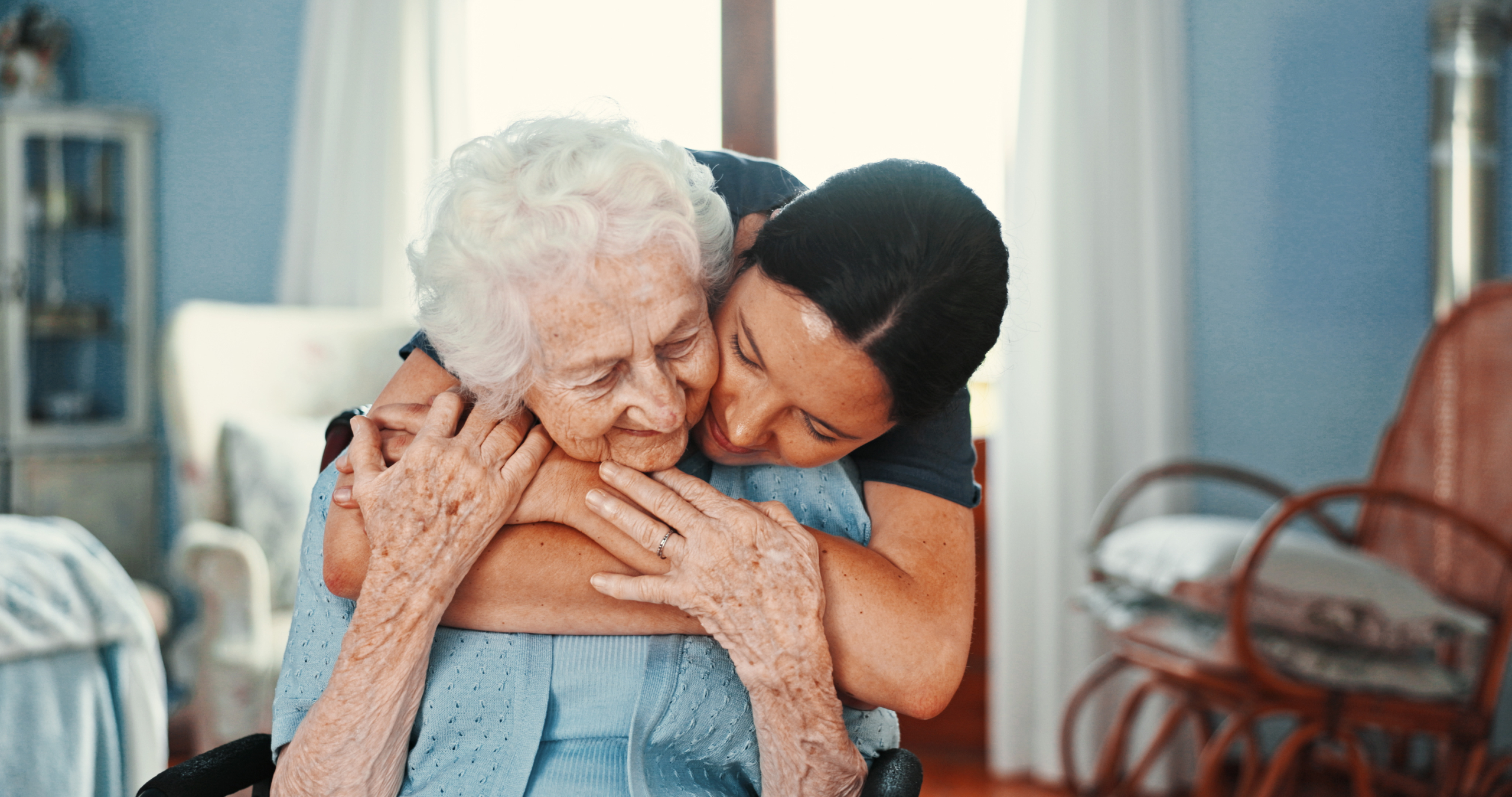
Beyond the Diagnosis: How Specialist Dementia Training Transforms Home Care
When a loved one is diagnosed with dementia, the questions come quickly. What will their days look like? Who will support them? And can the people caring for them really understand what they are going through? Dementia training is one of the most important factors families should consider when choosing a home care provider, yet it is often overlooked. The difference between a carer who has had specialist training and one who has not can be felt in every single visit. At Unique Homecare, we believe that understanding what good dementia training looks like helps families make more confident decisions about the care their loved one receives.
Why Dementia Training Matters So Much in Home Care
Dementia is not simply a memory condition. It affects how a person thinks, communicates, processes emotions, and experiences the world around them. Without proper dementia training, even a well-meaning carer can unintentionally cause distress, misread behaviour, or fail to respond in a way that feels safe and reassuring to the person in their care.
Trained carers understand that what looks like confusion or agitation often has an underlying cause. They know how to respond calmly, how to communicate in ways that reduce anxiety, and how to build the kind of trust that makes daily life easier for someone living with dementia. For families, knowing that a carer has this depth of understanding brings real peace of mind.
The Alzheimer’s Society highlights that specialist knowledge is central to delivering high-quality dementia care, particularly when it comes to communication and person-centred approaches.
What Specialist Dementia Training Covers
Good dementia training goes well beyond an introduction to the condition. At Unique Homecare, our Specialist Dementia Techniques Training is designed to equip carers with practical skills they can use every day. It covers several core areas:
- Understanding the different types of dementia and how each affects the brain and behaviour differently
- Recognising symptoms such as memory loss, confusion, and changes in mood or communication
- Effective communication techniques, including how to connect with someone who struggles to find the right words
- Person-centred care, which means tailoring every interaction to who that individual is, not just what condition they have
- Managing challenging behaviours such as agitation or resistance to care, by identifying triggers and creating a calm environment
- Therapeutic approaches including reminiscence therapy, music, and sensory activities that promote wellbeing
- Supporting families, helping loved ones understand what their relative is experiencing and how to be involved in care
This kind of dementia training does not just benefit the person with dementia. It also supports the carer, giving them confidence and helping them feel prepared for the emotional and practical demands of their role. You can find full details of our training programmes on our qualified trainers page.
How Dementia Training Shapes Everyday Care at Home
In practice, the impact of dementia training shows up in small, meaningful moments. A carer who has been properly trained will know not to rush someone who is taking a long time to respond. They will understand why routine matters so deeply and how a change in the order of a morning visit can unsettle an entire day. They will know to use a calm tone of voice even when communication is difficult, and to follow the lead of the person in their care rather than imposing their own timetable.
For families in Garstang, Longridge, Galgate, and the surrounding areas of Forton, finding a provider whose carers have this level of preparation is not always straightforward. At Unique Homecare, every member of our Health and Wellbeing Team receives specialist dementia training as a foundation of their role, not as an optional extra.
We are proud to have been named national finalists at the Dementia Care Awards, which reflects the investment we make in ongoing learning and best practice across our team.
The Link Between Dementia Training and a Person-Centred Approach
Person-centred care is a term used widely in the care sector, but its meaning runs deeper than it might first appear. For someone living with dementia, being treated as an individual, with their own history, preferences, likes and dislikes, can reduce distress and genuinely improve quality of life. Good dementia training teaches carers how to find out what matters to each person and how to bring that understanding into their daily care.
This means knowing that one person finds reassurance in a particular piece of music, while another lights up when they talk about their former work or family. It means noticing when someone seems unsettled and thinking about what might have changed. It means treating every visit as an opportunity to support not just physical wellbeing but emotional wellbeing too.
This holistic approach is central to everything Unique Homecare does. Our carers are trained not to deliver a task list but to provide meaningful support that honours who the person is.
Questions Families Should Ask About Dementia Training
If you are considering home care for a relative living with dementia, it is entirely reasonable to ask a provider about their training standards. Some helpful questions to consider:
- What specific dementia training do your carers receive before starting with a client?
- Is dementia training ongoing, or is it a one-off qualification?
- How do carers learn about the individual history and preferences of the person they are caring for?
- How does the team support families as well as the person with dementia?
- What approach do you use when someone becomes agitated or distressed?
A provider who welcomes these questions and answers them clearly is one who takes dementia care seriously. It is also worth noting whether the organisation holds any accreditations or awards related to dementia, as these can be a useful indicator of quality and commitment.
Dementia Training and Support for Family Carers
Many families take on a significant amount of care themselves, particularly in the earlier stages of dementia. Understanding what professional dementia training covers can also help family members feel more confident in their own day-to-day role. Knowing how to respond calmly during a moment of confusion, or how to create a more reassuring routine at home, can make a real difference.
Unique Homecare works closely with families throughout the care journey. Our team is available to offer guidance, and families can get in touch with us directly through WhatsApp if they have questions between visits or need reassurance at any point. Care should feel like a partnership, not something that happens in isolation.
The NHS guidance on caring for someone with dementia also provides a helpful overview for family members who are navigating this for the first time.
What to Expect From Dementia Training at Unique Homecare
Our dementia training programme is delivered by experienced professionals who combine practical knowledge with real compassion for the people our carers support. It is built around real-world scenarios and evidence-based techniques, not just theory. Carers complete training before working with clients living with dementia, and ongoing learning is part of the culture of our team.
We cover Garstang, Longridge, Galgate, Cockerham, Forton, and surrounding areas across Lancashire, and our CQC registration reflects our commitment to delivering care that meets the highest standards. Whether your loved one is in the early stages of dementia or needs more intensive support, our team has the skills and the warmth to provide care that makes a genuine difference.
Taking the Next Step
Understanding dementia training is a positive first step in finding the right support for your family. If you have questions about how Unique Homecare supports people living with dementia, or you would like to discuss a care arrangement for a loved one in Forton, our team is here to help.
Every care situation is different, so speak to our team and we will help you find the right support for your loved one at home.
When a loved one is diagnosed with dementia, the questions come quickly. What will their days look like? Who will support them? And can the people caring for them really understand what they are going through? Dementia training is one of the most important factors families should consider when choosing a home care provider, yet it is often overlooked. The difference between a carer who has had specialist training and one who has not can be felt in every single visit. At Unique Homecare, we believe that understanding what good dementia training looks like helps families make more confident decisions about the care their loved one receives.


