
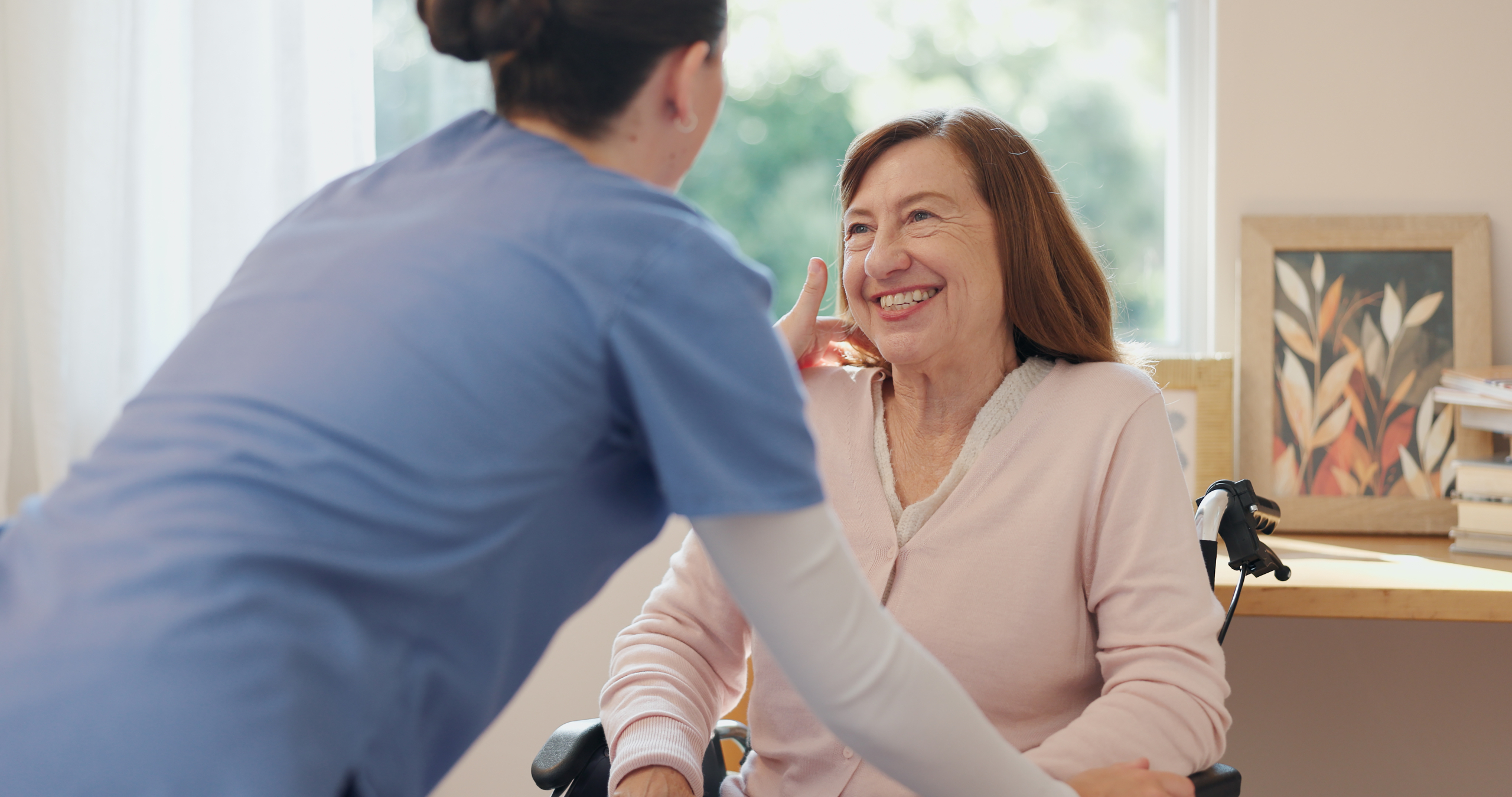
Dementia Training for Carers: What Families Need to Know
When a loved one receives a dementia diagnosis, families often face a steep and unexpected learning curve. Suddenly, everyday conversations, routines, and moments of confusion take on a new significance. Dementia training for carers exists to help bridge that gap, giving both professional carers and family members the knowledge and skills to provide confident, compassionate support. This guide explains what dementia training for carers looks like in practice, why it matters, and what families in Lancashire should look for when choosing a care provider.
Why Dementia Training for Carers Makes a Real Difference
Dementia is not simply a memory condition. It affects the way a person thinks, communicates, experiences emotion, and moves through the world. Without specialist knowledge, even the most caring and well-intentioned support can inadvertently cause distress. A carer who does not understand why someone with dementia becomes agitated in the late afternoon, for example, may respond in ways that make things worse rather than better.
Proper dementia training for carers equips professional and family carers with the tools to respond calmly, recognise triggers, and adapt their approach to what the person actually needs in that moment. It shifts care from task-completion to genuine connection.
According to the Alzheimer’s Society, person-centred care, which is built on understanding the individual’s history, preferences, and personality, consistently produces better outcomes for people living with dementia. That approach begins with trained, informed carers.
What Does Dementia Training for Carers Cover?
Good dementia training for carers is not a single course or a one-size-fits-all certification. It is ongoing, practical, and grounded in real care situations. Here is what quality dementia training for carers typically includes:
- Understanding the condition: How dementia progresses, the different types, and how it affects behaviour, communication, and daily function.
- Person-centred care: Learning to see the person first, not the diagnosis. This includes life history work, understanding preferences, and tailoring every interaction to the individual.
- Communication skills: How to speak calmly and clearly, use non-verbal cues, and respond to distress without escalating it.
- Managing changed behaviour: Recognising what triggers agitation, repetition, or withdrawal, and knowing how to respond with patience rather than routine.
- Supporting daily living: Helping with personal care, mealtimes, and meaningful activities in ways that preserve dignity and encourage independence.
- Supporting families: Recognising the emotional toll on family carers and knowing how to involve them in care planning rather than excluding them.
Dementia training for carers should also be updated regularly. Dementia research continues to evolve, and the best providers ensure their teams reflect the most current understanding of the condition.
Dementia Training for Carers: Professional vs Family Carers
There are two distinct groups who benefit from dementia training for carers: professional carers employed by home care or care home providers, and unpaid family carers who are supporting a loved one at home.
Professional carers
A professional carer who works with people living with dementia should have completed specialist training before they begin supporting someone independently. This is not just best practice, it is a matter of safety and dignity. When assessing a provider, families are well within their rights to ask what dementia training for carers has been completed and how frequently that training is refreshed.
At Unique Homecare, every member of our Health and Wellbeing Team receives dementia training for carers as a core part of their development. We were proud national finalists for Outstanding Contribution to Dementia Care at the Dementia Care Awards, which reflects the depth of knowledge and commitment we bring to this area of care.
Family carers
Millions of people across the UK are supporting a relative with dementia without any formal dementia training for carers. This is one of the most demanding roles a person can take on, and it is often done in isolation, without the support that professional carers receive as a matter of course.
Family carers benefit enormously from even a basic understanding of the condition, practical communication strategies, and knowing when and how to ask for help. Organisations such as the Alzheimer’s Society and the NHS offer free resources and guidance specifically designed for unpaid carers.
Dementia Training for Carers: Key Questions to Ask a Provider
If you are looking for professional home care for a loved one with dementia, dementia training for carers should be one of the first things you ask about. Here are the questions worth raising:
- What dementia-specific training have your carers completed?
- Is training refreshed regularly, and how is it updated?
- How do you match carers to clients with dementia?
- What is your approach when a client becomes distressed or confused?
- How do you involve families in care planning and communication?
- Can you describe your approach to person-centred dementia care?
A confident, experienced provider will welcome these questions and be able to answer them clearly. Vague or defensive responses are a sign that dementia support may not be a genuine specialism.
The Importance of Consistency Alongside Training
Even the best dementia training for carers loses its value if a person with dementia is seeing a different face every visit. Familiarity is not a luxury in dementia care — it is one of the most powerful tools available. Dementia training for carers must therefore go hand in hand with carer consistency if it is to deliver real benefit.
When a person with dementia knows and trusts their carer, they are more likely to accept support, communicate their needs, and feel safe in their own home. Consistency reduces anxiety, supports routine, and creates the kind of stable environment where someone with dementia can genuinely thrive.
This is why Unique Homecare places such strong emphasis on continuity of care. Families in Garstang, Longridge, Galgate, and across Lancashire tell us time and again that knowing the same carer is coming makes a significant difference, both for their loved one and for their own peace of mind.
You can read more about our approach on our holistic dementia care.
Dementia Training for Carers at Home: Supporting Families Through the Journey
It is worth saying clearly: no amount of training removes the emotional weight of caring for someone with dementia. Whether you are a professional carer or a family member, the experience brings moments of deep connection alongside moments of genuine difficulty.
Good dementia training for carers is not just about technique. It is about building the confidence and resilience to show up with warmth and patience, day after day. It is about understanding why someone is repeating the same question, and being able to respond with kindness on the hundredth occasion as well as the first.
For families navigating this journey, finding a care provider with well-trained, experienced carers can make an enormous difference. It means families can step back a little from the most demanding aspects of hands-on care, without worrying that their loved one’s needs are not being fully understood.
How Unique Homecare Approaches Dementia Training for Carers
Dementia care is central to everything Unique Homecare does. Our approach to dementia training for carers goes beyond standard certification — covering not only the practical and clinical aspects of dementia support, but the kind of genuinely human, person-centred approach that makes a real difference to quality of life.
We also offer something quite distinctive: our Fell Pony dementia wellbeing sessions, which bring clients into gentle, calming contact with native ponies. Animal-assisted approaches have strong evidence behind them for reducing anxiety and encouraging connection in people who may struggle to communicate verbally. It is one example of how we go beyond the standard visiting care model to think about what genuinely supports wellbeing.
We are CQC registered and rated Good, and we work with families across Garstang, Longridge, Forton, Cockerham, and the wider Lancashire area to develop care plans that truly reflect each person’s history, preferences, and needs.
You do not have to navigate this alone. If you would like to discuss dementia support for a loved one, our team is here to help, answer your questions, and guide you through the options. Get in touch with the Unique Homecare team to arrange a no-obligation conversation about care in your area.


