
Home Care for the Elderly: A Family Guide to Getting It Right
Deciding to arrange home care for the elderly is rarely a simple moment. For most families, it follows weeks or months of quiet worry, difficult conversations, and the gradual realisation that a loved one needs more support than family alone can provide. If you are at that point, you are not alone, and you do not have to figure it all out at once. This guide covers what home care for the elderly actually involves, how to know when the time is right, and what to look for in a provider who will genuinely make a difference.
What Home Care for the Elderly Involves
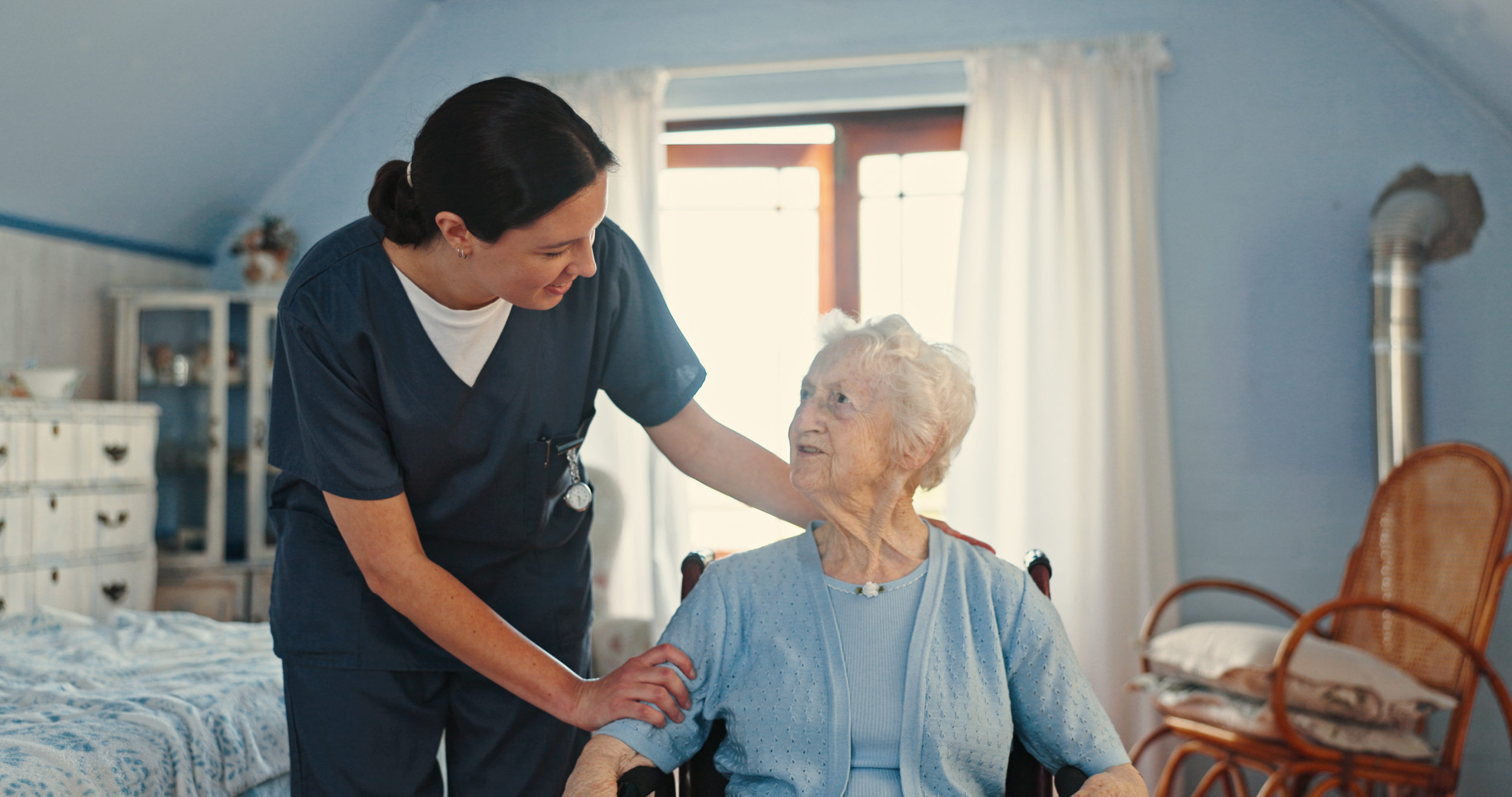
Home care for the elderly is professional support provided in a person’s own home, rather than in a care home or hospital setting. It covers a broad range of services, from help with bathing, dressing, and medication, through to companionship, meal preparation, and specialist dementia support.
The key word is flexibility. Home care is not a single product. It is a bespoke arrangement built around the individual: their health needs, their daily routine, their preferences, and what independence means to them. A person might need one or two visits a week at first. As needs change, that care plan can evolve with them.
At Unique Homecare, personal care services are built around exactly this principle. No two care plans are alike, because no two people are alike.
Signs That Home Care for the Elderly May Be Needed
Many families delay arranging care because they are unsure whether things are serious enough, or because they do not want to upset a loved one by suggesting they need help. But early support is almost always better than waiting for a crisis.
Some of the clearest signs that home care for the elderly may be appropriate include:
- Difficulty managing daily tasks such as washing, dressing, or preparing meals safely
- Missed medication doses or confusion about prescriptions
- Unexplained weight loss, which can signal poor nutrition or reduced appetite
- A fall at home, or increasing unsteadiness when moving around
- Withdrawal from social activities and increasing isolation
- Memory problems that affect safety or daily functioning
- A family carer who is becoming exhausted or unwell themselves
If any of these apply to someone you love, it is worth starting the conversation. Speaking with a care provider does not mean committing to anything. It simply means getting a clearer picture of what options are available.
How Home Care for the Elderly Is Arranged
The first step is usually a care needs assessment. In England, everyone has the right to request a free assessment from their local council, regardless of their financial situation. This assessment looks at the person’s physical health, emotional wellbeing, and day-to-day needs, and uses that information to identify the right level and type of support.
Families can also approach a home care provider directly. A reputable provider will carry out their own thorough assessment before any care begins, involving the person receiving care, their family, and where relevant their GP or other healthcare professionals.
The NHS guidance on care needs assessments explains the process in detail and sets out what families can expect at each stage.
Home Care for the Elderly and Dementia: What Families Should Expect
Dementia is one of the most common reasons families begin exploring home care for the elderly. The condition affects memory, behaviour, communication, and daily functioning, and the support needed changes significantly as it progresses.
What families often find is that generic home care is not enough. Effective dementia support requires carers who are specifically trained to understand how the condition affects behaviour and emotion, and who can respond with patience and skill rather than routine task completion.
Unique Homecare was a national finalist for Outstanding Contribution to Dementia Care at the Dementia Care Awards. Our team is trained in the most current dementia care strategies, and our approach addresses the whole person, not just their physical needs. For families in Garstang, Longridge, Ribchester, and across Lancashire, that level of specialist care is available at home, without any need to consider residential options prematurely.
Home Care for the Elderly: Choosing the Right Provider
Not all providers of home care for the elderly operate to the same standard. Choosing well makes a significant difference to both the quality of care and the peace of mind of the whole family. Here is what to look for:
- CQC registration and rating: Every home care provider in England must be registered with the Care Quality Commission. A Good or Outstanding rating indicates that the service has been independently inspected and meets a consistent standard.
- Consistent care teams: Trust and familiarity matter enormously, particularly for older people with dementia or anxiety. Ask whether your loved one will see the same small group of carers regularly, or whether visits are covered by whoever is available.
- A genuine assessment process: A provider worth choosing will spend time understanding the individual before agreeing a care plan. Be cautious of providers who offer a standard package without asking meaningful questions first.
- Clear communication with families: You should always know what is happening in your loved one’s care. Good providers communicate regularly, flag changes promptly, and involve families in reviews.
- Local knowledge and presence: A provider based in your area will understand the community, respond more quickly, and build more meaningful relationships with clients over time.
Unique Homecare Services Ltd is rated Good by the Care Quality Commission and has been providing specialist home care for the elderly across Lancashire since 2013. Our teams are locally based, consistently matched to clients, and trained in both personal care and specialist dementia support.
Home Care for the Elderly and Independence: Getting the Balance Right
One concern families often raise is whether professional care will undermine a loved one’s independence or make them feel that control over their own life is being taken away. It is a fair concern, and it is one that a good provider will take seriously.
Person-centred care means starting with what the individual can still do for themselves and building support around that, rather than replacing it. A carer who steps in to do everything removes agency. A skilled carer who supports, encourages, and adapts preserves it.
For older people living in rural parts of Lancashire, where getting out independently can already be challenging, a trusted regular carer also opens up social connection that might otherwise be lost. That might mean joining a community activity, a trip to a local group, or simply having someone to share a conversation with over a cup of tea.
What Holistic Home Care for the Elderly Looks Like in Practice
Holistic care means looking at the whole person rather than a list of tasks. At Unique Homecare, that includes physical support such as personal care and medication management, but also emotional wellbeing, social connection, and the kind of small moments that make a real difference to quality of life.
Examples of this in practice include:
- Cooking with care, where clients are involved in preparing meals rather than simply having food placed in front of them, supporting both nutrition and a sense of purpose
- Companionship visits focused on conversation, shared activities, or simply being present
- Reminiscence and sensory approaches for clients with dementia, using familiar music, photographs, and objects to encourage communication and reduce distress
- Supporting family carers with respite so they can rest without worrying about their loved one
This broader view of what care can be is what separates genuinely exceptional home care for the elderly from a basic visiting service.
Taking the First Step
If you are thinking about home care for the elderly for a loved one in Lancashire, the most useful thing you can do right now is have a conversation. Not a commitment, not a contract, just a conversation with someone who understands what families in your situation are going through.
Arranging care can feel overwhelming, but our team is here to make it easier. Reach out to us today and we will guide you through your options, with no pressure and no obligation. We will help you understand what home care for the elderly could look like for your family, and what the right next step might be.


