
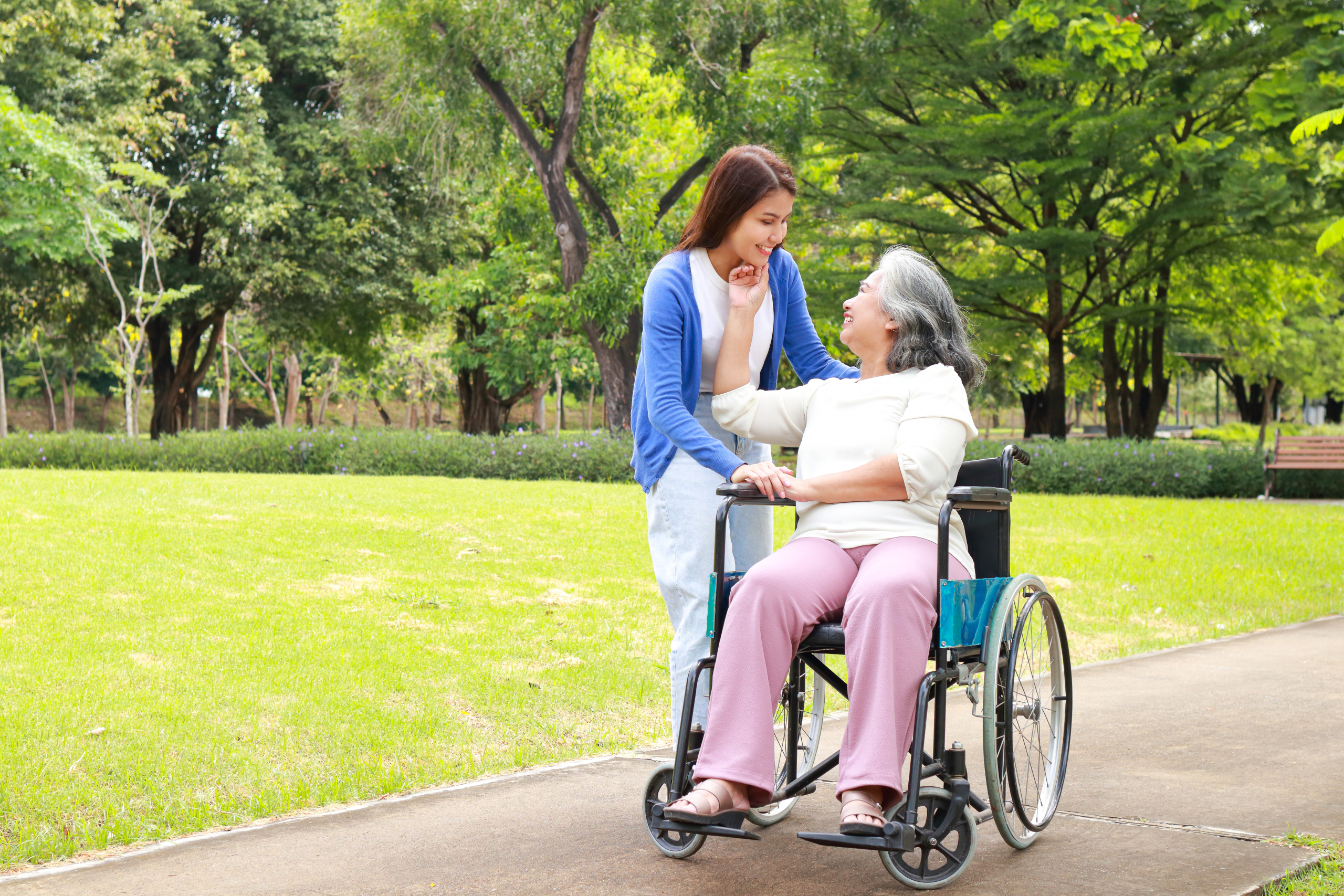
Emotional Well Being in Home Care: What It Means and Why It Matters
When families start looking into home care for a loved one, the focus is often on practical needs: help with bathing, medication reminders, mobility support. These things matter enormously. But emotional well being is just as important, and for many older people it is what makes the difference between a life that feels full and one that feels diminished. At Unique Homecare, supporting emotional well being is not an add-on. It is central to how we care.
What Is Emotional Well Being in the Context of Home Care?
Emotional well being refers to a person’s sense of happiness, purpose, security, and connection. For older people living at home, it includes feeling safe in familiar surroundings, maintaining meaningful relationships, having things to look forward to, and feeling that their identity and preferences are respected.
It is not simply the absence of anxiety or low mood. It is an active, positive state that good care should nurture, not just preserve.
The NHS identifies social connection, learning, and purpose as core pillars of mental wellbeing for people of all ages. For older adults, home care that supports emotional well being actively works to protect all three.
Why Emotional Well Being Matters for Older People at Home
Loneliness and social isolation are among the most serious health risks facing older people in the UK today. Research consistently links isolation to increased rates of cognitive decline, depression, and physical health deterioration.
Remaining at home can be a great source of comfort. Familiar surroundings, cherished objects, neighbourhood connections, and established routines all contribute positively to a person’s emotional well being. But staying at home alone, without regular human contact or meaningful activity, can increase rather than reduce isolation.
That is why quality home care must address emotional needs alongside physical ones. A carer who arrives, completes tasks quickly, and leaves may be providing practical support. But they are not providing care in the fullest sense of the word.
How Unique Homecare Supports Emotional Well Being
At Unique Homecare, we take a holistic, person-centred approach. This means we look at the whole person: their history, their personality, what brings them joy, what causes them anxiety, and what keeps them connected to the people and places they love.
Here are some of the ways we actively support emotional well being for the people in our care.
Consistent carers who build genuine relationships
Trust matters. For many older people, particularly those living with dementia, unfamiliar faces are unsettling. We prioritise consistency, so that clients see the same carers regularly and can build real relationships built on familiarity and mutual understanding. That sense of being known and understood is foundational to emotional well being.
Companionship as a core part of care
Our companionship care service is built around meaningful contact: conversation, shared activities, outings, and simply being present with someone in a warm and attentive way. This is not a secondary service. It is care. For people who might otherwise go days without speaking to another person, a regular visit from a trusted carer can be transformative.
The Fell Pony wellbeing sessions
One of the things that sets Unique Homecare apart is our Fell Pony wellbeing sessions. These are guided visits involving our gentle, native Fell ponies, designed to bring joy, sensory stimulation, and connection to people living with dementia.
The Alzheimer’s Society recognises animal-assisted activities as effective in reducing anxiety and improving communication for people living with dementia. Our sessions go further: they are individually risk-assessed, supervised by specialist carers, and designed to meet each person where they are. For many clients, a visit from a Fell pony sparks long-held memories and genuine delight. It is the kind of moment that no task-focused care model can replicate.
Holistic dementia care that considers emotional health first
Our approach to holistic dementia care is built around the understanding that emotional well being and physical care cannot be separated. When someone living with dementia feels anxious, unsettled, or unrecognised, their physical health often suffers. When they feel safe, seen, and connected, they flourish. Our care plans reflect this. They are not lists of tasks. They are portraits of a person.
Signs That a Loved One’s Emotional Well Being May Need More Support
It is not always obvious when emotional well being is declining. Some signs to look out for include:
- Withdrawal from activities they previously enjoyed
- Increased irritability or tearfulness without a clear cause
- Reluctance to eat, sleep, or engage in daily routines
- Expressing feelings of hopelessness or pointlessness
- Reduced interest in conversation or social contact
- Sleeping significantly more or less than usual
These signs do not necessarily indicate a serious mental health condition. But they do indicate that something has shifted, and that more attention to emotional well being is needed. A good carer will notice these changes early and respond with sensitivity.
Emotional Well Being and Local Community Connection
For people in Garstang, Longridge, and the surrounding Lancashire communities, connection to place and community is often deeply important. Remaining at home preserves those ties: familiar neighbours, local shops, community events, and the quiet rhythms of a familiar area.
Our carers understand this. They are local themselves. They can support clients in staying connected: accompanying them to community events, helping them maintain friendships, or simply sharing a conversation about local life. This kind of grounded, locally rooted care is one of the things that genuinely sustains emotional well being over time.
Asking for Help Is a Sign of Strength
Many families wait too long before seeking support, concerned about intruding on a loved one’s independence or unsure whether professional care is the right step. In our experience, arranging compassionate, person-centred care almost always improves both the individual’s emotional well being and the family’s peace of mind.
The earlier support is introduced, the more time a carer has to build a genuine relationship with the person in their care. That relationship is the foundation of everything else.
Emotional Well Being Is Not Optional in Good Home Care
Physical care without emotional support is incomplete. At Unique Homecare, we believe that caring for someone means caring for the whole person: their comfort, their dignity, their joy, and their sense of connection. Emotional well being is not a luxury in home care. It is the point.
If you would like to discuss care options in more detail, our team is here to listen. Speak to us today about how we can support your loved one’s emotional well being at home.


