
Elderly Care at Home: A Practical Guide for Families
Watching your parent or loved one find daily tasks harder is one of the quietly painful experiences a family can go through. The good news is that growing older does not have to mean leaving home. Elderly care at home, sometimes called domiciliary care, allows people to keep their independence, routines and surroundings while receiving the support they need. This guide explains what elderly care at home really involves, the signs it may be time to consider it, the types of care available, and how to choose a provider you can trust in Lancashire.
What Does Elderly Care at Home Actually Involve?
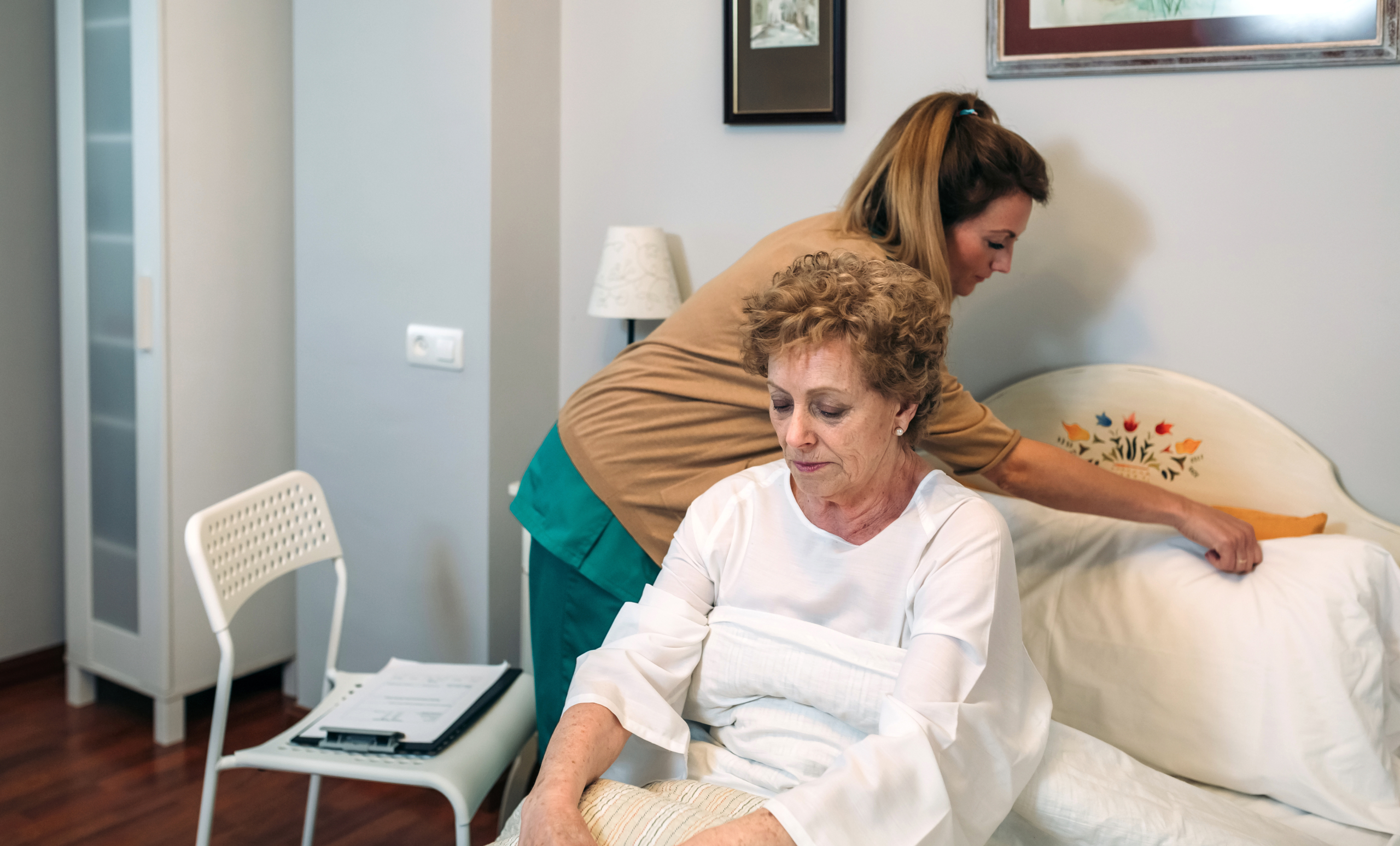
Elderly care at home is professional support delivered in a person’s own house or flat. It can be light-touch and occasional, or detailed and round-the-clock. The aim is always the same: to help someone live well, safely and with dignity in the place they already call home.
Typical support includes:
- Help with washing, dressing and personal care
- Preparing meals and assisting with eating
- Medication reminders and administration
- Light housework and laundry
- Mobility support around the home
- Companionship and emotional reassurance
- Specialist support for dementia, frailty or end-of-life needs
Visits can be planned around the family’s existing routine — anything from one short morning call to overnight or live-in care.
Signs Your Loved One May Need Elderly Care at Home
Many families wait longer than they should to start the conversation, not because they do not care, but because the changes happen slowly. Spotting the early signs gives everyone more time to plan calmly.
Practical day-to-day signs
- Unopened post or unpaid bills
- Weight loss, missed meals, or out-of-date food in the fridge
- Increased clutter or laundry building up
- Unexplained bruises or signs of recent falls
- Forgetting medication or taking it twice
Emotional and social signs
- Withdrawing from hobbies, friends or family
- Low mood, anxiety or repeated phone calls for reassurance
- Confusion about time, place or names
- Reluctance to leave the house
If two or more of these signs are appearing regularly, it is worth exploring elderly care at home before a crisis forces a rushed decision.
The Main Types of Elderly Care at Home
There is no single template — the right plan depends on the person’s needs, finances and personality. Most providers offer a mix of the following:
- Visiting care: short, scheduled visits (often 30 minutes to an hour) for help with specific tasks
- Companion care: longer visits focused on conversation, hobbies and outings
- Personal care: assistance with bathing, dressing and toileting
- Specialist dementia care: tailored support for memory loss and cognitive change
- Respite care: temporary cover to give family carers a much-needed break
- Live-in care: a carer staying in the home day and night for full support
To see how these services come together as a single plan, take a look at our overview of our unique homecare services.
Benefits of Elderly Care at Home vs Residential Care
Moving into a care home is the right choice for some people. For many others, staying put is the wiser one. The benefits of elderly care at home are practical, emotional and often financial.
- Familiar surroundings reduce confusion, especially in dementia
- Pets, gardens and daily routines stay intact
- One-to-one attention, not a shared rota
- Family can visit any time, without restrictions
- Care plans flex up or down as needs change
- Often more affordable than full-time residential care
Age UK offers excellent independent guidance on weighing the options and the questions to ask when comparing them.
How to Choose the Right Elderly Care at Home Provider
Choosing well comes down to taking a few sensible steps rather than rushing the first option you find.
- Check CQC registration. Every regulated provider in England must be inspected by the Care Quality Commission, and their reports are public.
- Ask about staff training and continuity. Will the same carers visit each week? Are they trained in dementia and moving-and-handling?
- Insist on a face-to-face assessment. A good provider will visit the home before any care begins.
- Read the care plan carefully. It should be specific, not generic — naming the person’s preferences, routines and any risks.
- Trust your instinct on the manager. You will be working closely with them. They should listen more than they talk.
Elderly Care at Home in Garstang and Across Lancashire
Lancashire has a strong tradition of community and family, and we see that every day in the homes we visit. As a CQC-registered provider rooted in the area, we offer elderly care at home that reflects the values families here already share, patience, honesty and a quiet pride in doing things properly.
If you live locally, our home care services for Garstang families page sets out the practical details of how we work in the surrounding villages and towns.
For families dealing with dementia in particular, we also offer something quite special, read about our gentle Fell ponies and dementia work, which complements traditional care with calming sensory support.
Talking About Care With a Loved One
The hardest part is rarely choosing a provider. It is starting the conversation.
A few approaches that tend to work:
- Talk about support, not “care” — the word can feel loaded
- Focus on what they will gain, not what they can no longer do
- Involve them in choosing the carer, even if family does the legwork
- Bring it up after a small incident (a near-fall, a missed meal) when the need is concrete
- Give them time — few people decide on the spot
Taking the Next Step
Elderly care at home is not about giving anything up. It is about adding the right support so that everyday life can carry on — only safer, calmer and a little easier.
If your parent or loved one is showing signs they could do with a hand at home — in Garstang, Longridge or the surrounding villages — please contact our friendly team for a confidential, no-pressure conversation. We will listen first and explain your options clearly.


