
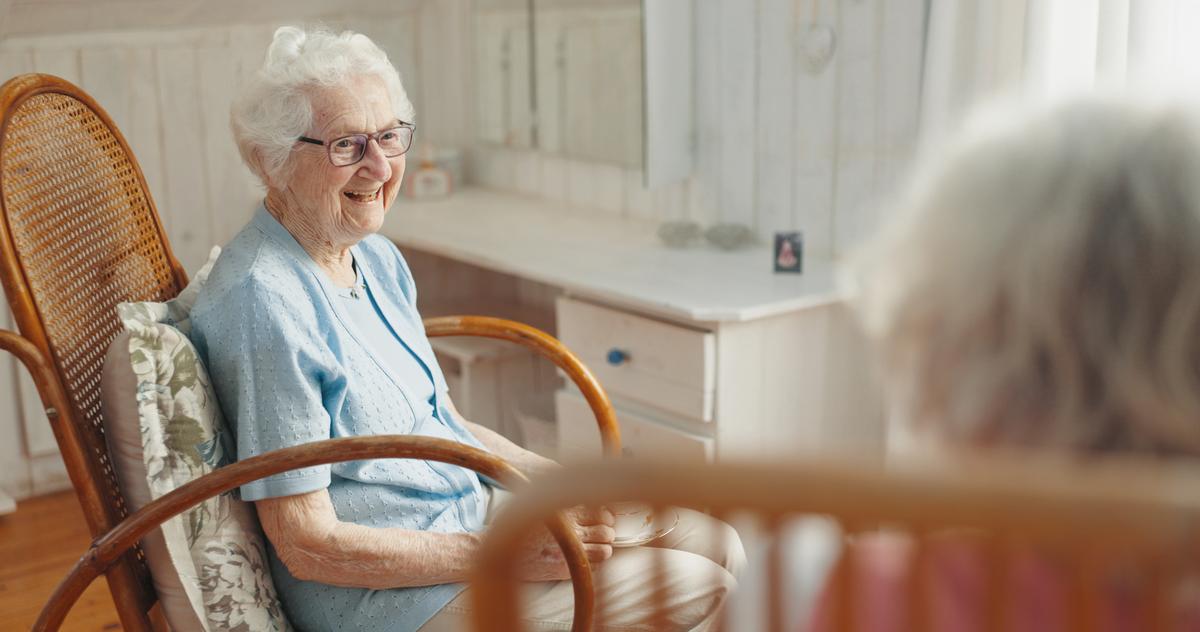
Dementia care at home is a journey that is both deeply challenging and profoundly touching. As dementia affects each person differently, a one-size-fits-all approach is seldom effective. Personalised home care strategies, tailored to the individual’s needs, history, and preferences, can significantly improve the quality of life for both the person with dementia and their caregivers.
In this guide, we explore innovative approaches to dementia care at home that emphasize personalisation and deep respect for the individual.
Understanding the Person Behind the Dementia
According to the Alzheimer’s Society, person-centred care that focuses on the individual’s history and identity is one of the most effective approaches in dementia support. The foundation of effective 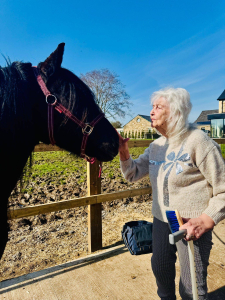 dementia care at home lies in understanding the person behind the condition. This means learning about their life history, values, and daily preferences.
Such knowledge is invaluable when creating care routines that genuinely resonate with the individual, helping them feel valued and respected rather than simply managed.
A former music teacher might find comfort in listening to classical music. A retired gardener might enjoy spending time outdoors tending to plants. These small, personal touches make an enormous difference.
Creating a Stimulating Home Environment for Dementia Care
Creating a home environment that stimulates the senses can be incredibly beneficial. This goes beyond safety modifications — it includes aesthetic and sensory elements that bring comfort and familiarity.
- Visual stimuli: Photographs and artwork that evoke happy memories
- Auditory stimuli: Calming background music or familiar nature sounds
- Tactile stimuli: Textured cushions, familiar tools, or objects they can interact with
A well-considered environment reduces anxiety and supports a sense of continuity.
How Technology Supports Dementia Care at Home
Technology offers a growing range of tools that enhance support at home in practical ways.
- Memory aids: Tablets can display family photos, play favourite music, or run apps designed to support cognitive engagement
- GPS trackers: For those in later stages who may wander, GPS devices allow carers to locate them quickly and safely
- Automated home systems: Smart lighting, temperature controls, and security systems help maintain a stable, comfortable environment
At Unique Homecare, our carers are experienced in supporting families to integrate these tools effectively. Learn more about our approach to dementia care.
The Importance of Routine and Flexibility
Routine is deeply comforting to people living with dementia. However, flexibility is equally important, given the fluctuating nature of the condition day to day.
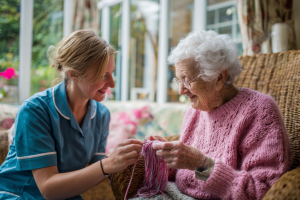
A well-structured daily schedule should include regular times for meals, activities, and rest. At the same time, carers need to remain adaptable — some days will call for a gentler pace or a change of plan entirely.
Getting this balance right is one of the most important skills in professional dementia care at home.
Engaging in Meaningful Activities
Purposeful activity improves wellbeing significantly. Engaging the person with dementia in activities connected to their identity and history gives them a sense of usefulness and joy.
Some ideas include:
- Cooking: Preparing simple recipes together if they have always enjoyed the kitchen
- Gardening: Watering plants or tending to a small outdoor space
- Crafts: Simple creative activities that align with existing skills and interests
At Unique Homecare, we also offer our distinctive Unique Days to Remember programme — special experiences designed to create meaningful moments for our clients.
Communication Strategies That Work
Effective communication is at the heart of quality dementia care at home. As the condition progresses, verbal communication may become harder. Carers benefit from learning to:
- Speak slowly and use simple, clear sentences
- Make eye contact and use a calm, reassuring tone
- Use non-verbal cues such as touch and facial expression
- Avoid correcting or contradicting — instead, enter their world
These approaches reduce distress and strengthen the relationship between the carer and the person they support.
Training and Support for Caregivers
Providing education and ongoing support for caregivers is essential. Understanding the progression of dementia and learning practical strategies makes a significant difference to both the quality of care delivered and the wellbeing of the carer themselves.
At Unique Homecare, all our team members receive specialist dementia training. We are proud to have been named national finalists at the Dementia Care Awards, reflecting our commitment to excellence in this area.
Support groups, educational resources, and regular respite care are equally important components of a sustainable caregiving approach. Find out more about dementia care for families.
Why Choose Unique Homecare for Dementia Care at Home
Dementia care at home involves far more than meeting basic physical needs. It is about connecting with the individual on a personal level and enriching their daily life despite the challenges the condition presents.
By adopting a tailored approach that respects each person’s history, preferences, and unique personality, Unique Homecare provides not only physical safety but also emotional and psychological comfort — for both the person with dementia and their family.
If you would like to find out how we can support your family, contact us today.
Frequently Asked Questions About Dementia Care at Home
What is dementia care at home?
Dementia care at home involves providing personalised support in a familiar environment to help individuals maintain independence and comfort. Many families in areas such as Preston and Lancaster choose home care to ensure their loved ones remain in a safe, familiar setting.
How can I improve dementia care at home?
You can improve dementia care at home by focusing on routine, meaningful activities, and personalised care strategies based on the individual’s history and preferences. Families in Preston and Lancaster often work with professional carers to create structured yet flexible care plans.
Is home care better than residential care for dementia?
For many individuals, staying at home reduces confusion and anxiety, though suitability depends on the stage of dementia. In locations like Preston and Lancaster, home care is a popular option for those who prefer a more personalised and familiar environment.


